How Tilting Camera Systems Reduce Neck and Back Strain for Surgeons and Dentists
January 30, 2026
And why NuLoupes is redefining ergonomic visualization
I’ve seen firsthand what decades in the operating room can do to the human body. My dad spent more than 30 years as an ENT surgeon. He started his career standing 6’4”. After years of long procedures—head down, shoulders forward, fully focused on his patients—his spine slowly compressed. By the time he retired, chronic neck and back pain were part of daily life, and he stood closer to 5’10”. What struck me most was that his skill never faded. His body simply paid the price. That experience made one thing painfully clear: the physical cost of surgery has been normalized for far too long.
Surgery and dentistry demand extreme precision, long hours, and total focus. What’s often overlooked is the toll these procedures take on the professionals performing them. Leaning forward, craning the neck, and holding static, awkward positions for extended periods quietly lead to chronic neck, shoulder, and back pain both issues that impact performance, endurance, and ultimately career longevity.
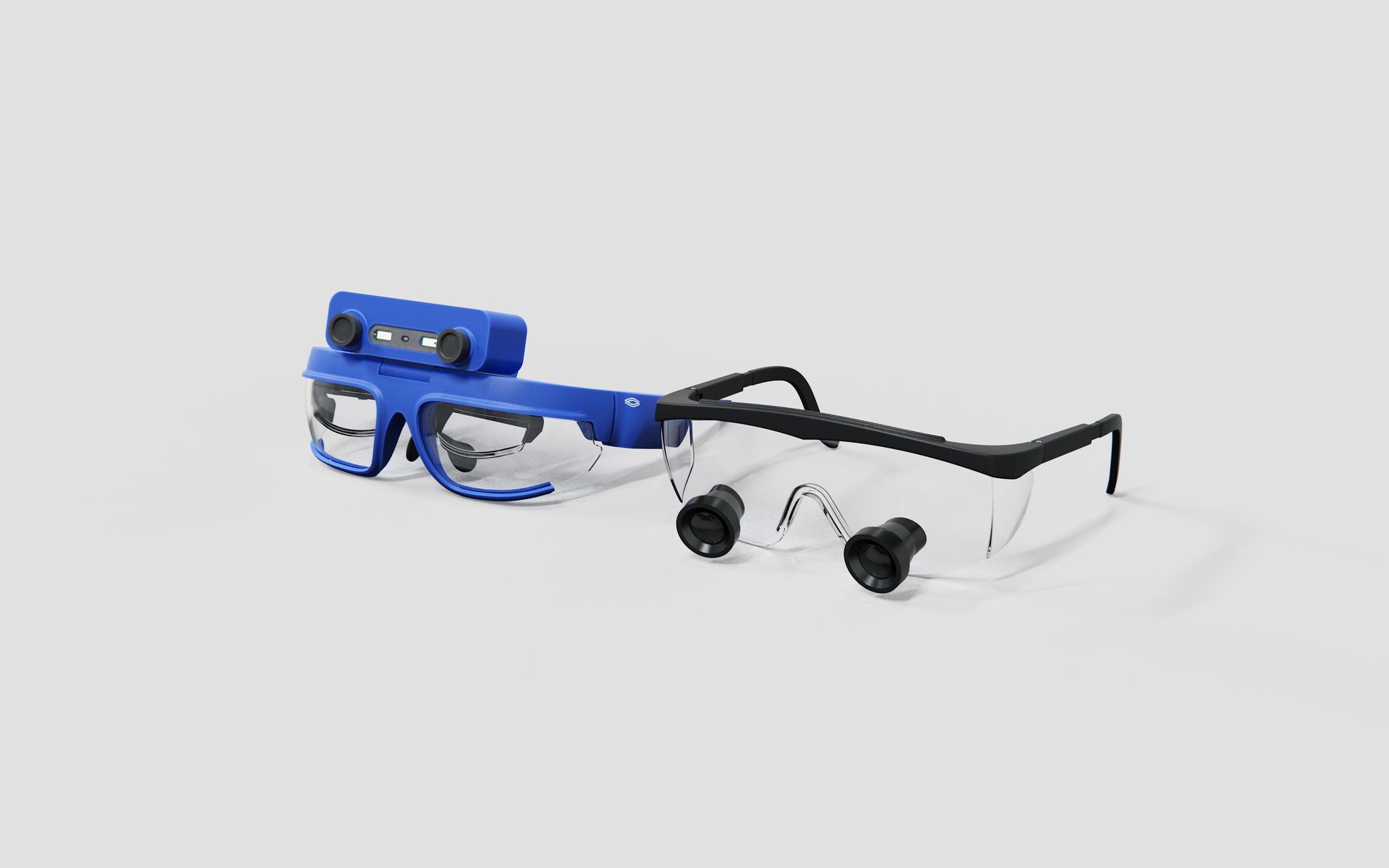
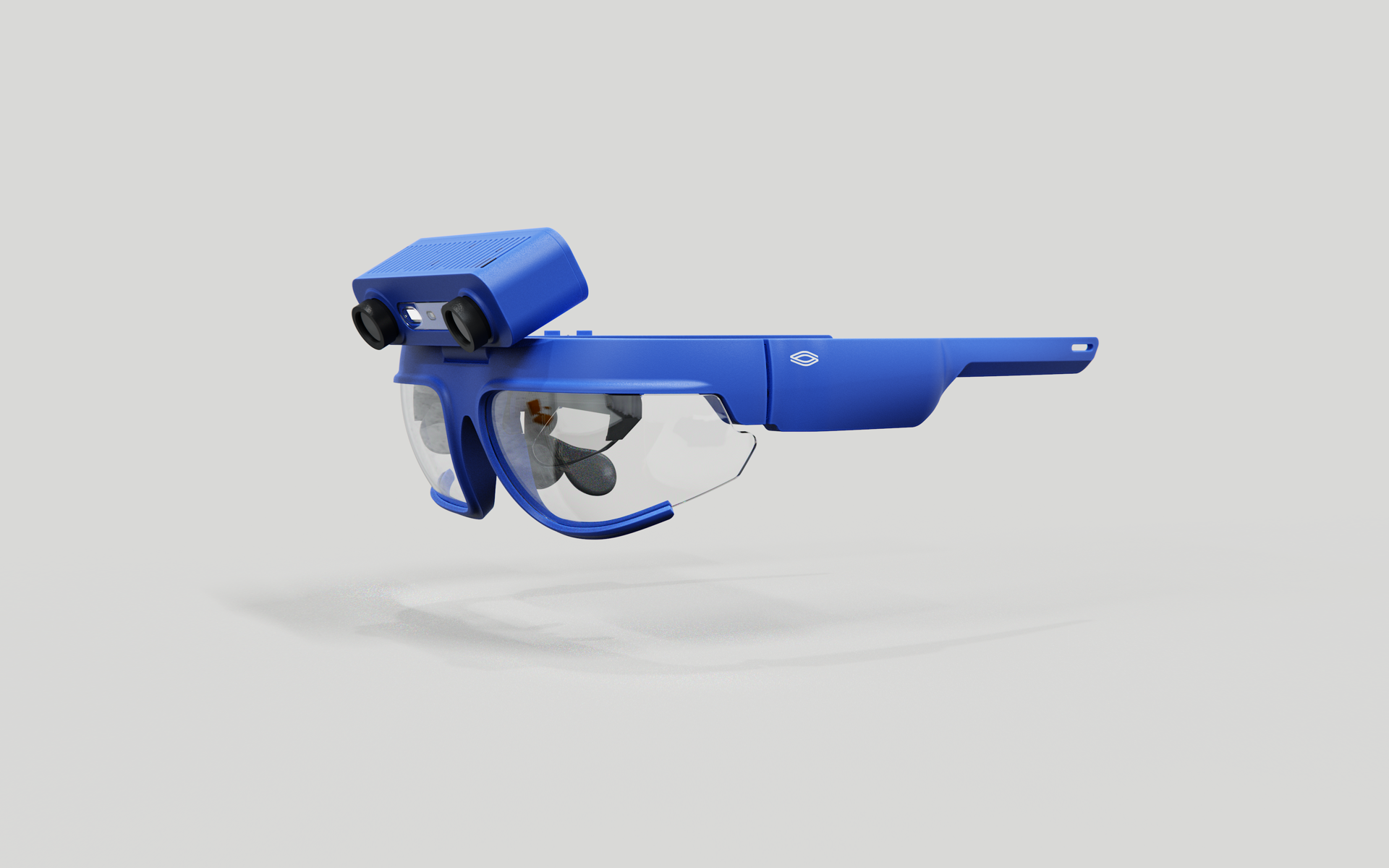
Modern variable tilting camera systems are changing that equation by letting the camera move instead of the clinician. NuLoupes builds on this breakthrough by combining a tilting camera system with natural 3D stereoscopic vision and no visible latency addressing posture, depth perception, and visual comfort all at once.
Here’s how it all comes together...
Why Strain Is So Common in Surgery and Dentistry
For decades, clear visualization has required clinicians to position their bodies around the patient—not the other way around. Over time, this leads to:
- Neck and shoulder tension
- Lower back strain
- Repetitive stress injuries
- Fatigue during long or complex procedures
Even small posture compromises, repeated day after day, quietly accumulate into serious musculoskeletal problems.
How Tilting Camera Systems Help
1. Letting the Camera Move, Not the Body
A variable tilting camera allows surgeons and dentists to adjust their view without leaning, twisting, or hunching forward. Instead of chasing the visual field with their body, clinicians can stay upright and neutral while maintaining optimal visibility.
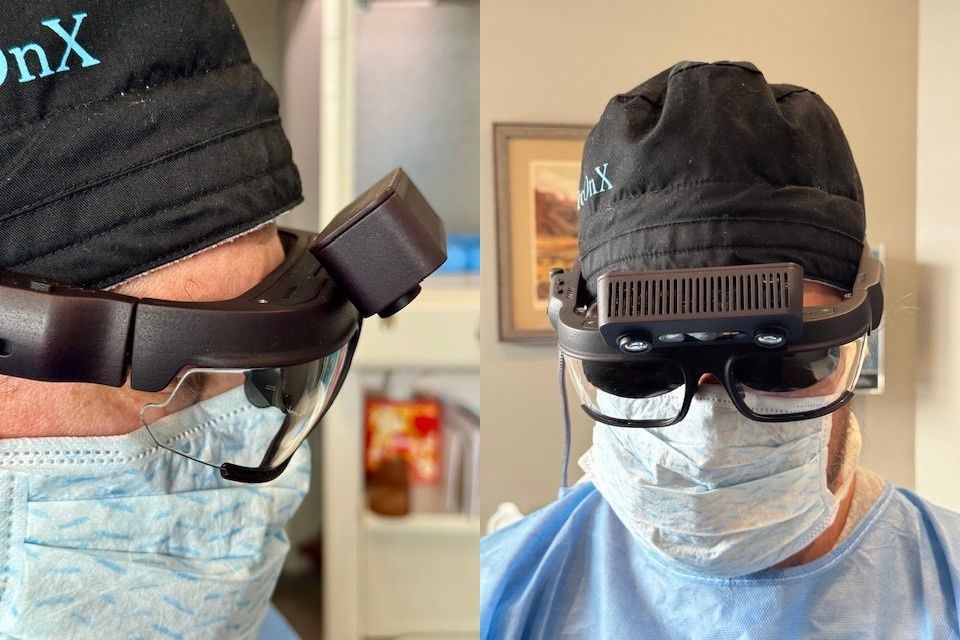
NuLoupes advantage: The tilting camera stays aligned with the clinician’s natural head position, significantly reducing neck flexion and upper-back load throughout the procedure.
2. Natural 3D Stereoscopic Vision Reduces Eye and Neck Strain
Many visualization systems flatten depth or rely on indirect viewing, forcing clinicians to lean closer to judge distance accurately.
NuLoupes delivers true 3D stereoscopic vision, restoring natural depth cues the brain instantly understands. When depth feels real, clinicians stop subconsciously leaning in to “double-check” spatial relationships.
Result: Less leaning, less tension, and more confident, controlled movements.
3. No Visible Latency Means No Micro-Corrections
Even tiny delays between movement and image cause subconscious micro-adjustments—small head and body shifts that add up over hours.
NuLoupes provides a real-time visual experience with
no visible latency, so what clinicians see matches their movements instantly.
Result: The brain trusts the image, movements stay natural, and unnecessary posture shifts disappear.
4. Better Posture, Healthier Spine
By combining a tilting camera with real-time 3D vision, NuLoupes enables clinicians to work in a more upright, balanced posture. This reduces spinal compression, muscle imbalance, and long-term back issues.
It’s a difference clinicians feel not years later—but immediately.
As Dr. Mark Whitefield, who has performed multiple procedures using NuLoupes, explains:
“With traditional optical loupes, I was always aware of my neck—especially after long cases. With NuLoupes, my posture feels natural again. I’m no longer leaning forward just to see depth clearly, and the reduction in neck strain has been dramatic. It’s the first system I’ve used that genuinely feels like it’s working with my body instead of against it.”
5. Less Fatigue, Greater Focus
Physical discomfort and visual strain are major contributors to mental fatigue. When posture is relaxed and vision feels intuitive, clinicians can maintain focus longer—even during demanding cases.
Result: Steadier hands, sharper decision-making, and more consistent performance.
6. Supporting Longer, Healthier Careers
Neck and back pain remain among the leading reasons surgeons and dentists reduce case volume or retire early. Ergonomic visualization systems like NuLoupes help protect clinicians over the long term.
Result: More years of high-quality clinical work—without pain being the limiting factor.
The Takeaway
Tilting camera systems already represent a major leap forward in surgical and dental ergonomics. NuLoupes elevates this further by pairing camera tilt with natural 3D stereoscopic vision and zero visible latency—reducing strain on the neck, back, and eyes simultaneously.
When clinicians no longer have to fight their posture or their vision, precision feels instinctive, fatigue drops, and care improves.
This isn’t just about comfort.
It’s about redefining how long and how well clinicians can practice at the top of their craft.